Finding a primary care physician in San Antonio often feels like a balancing act between long wait times and rushed appointments. Many patients struggle to get a same-day visit when they are sick or find it difficult to secure a doctor who truly understands their health history.
This guide breaks down the local primary care landscape, exploring various models of care—including membership-based options—so you can find the right relationship for your health goals. Whether you are new to the area or simply searching for a better experience, learning about the DPC model can help clarify your options.
What Primary Care Covers (and Why It Matters)
Primary care serves as the foundation of your health, focusing on preventative care, annual physicals, chronic condition management, and the coordination of care across specialists. A consistent primary care physician (PCP) acts as a navigator for your health, ensuring that your records are kept up to date and that your early warning signs do not go unnoticed. Consistent engagement with a PCP is linked to better health outcomes and proactive management of long-term conditions, according to the American Academy of Family Physicians (AAFP).
Types of Primary Care Providers
Primary care is practiced by various professionals, including family medicine doctors, internal medicine physicians, pediatricians, and geriatric specialists. Family medicine physicians are trained to care for patients of all ages, while internal medicine focuses on adults, often with a specialty in managing complex chronic diseases. Many practices also employ nurse practitioners (NPs) or physician assistants (PAs) who provide essential care under the supervision of a physician. Choosing the right provider type is a key step in building a lasting relationship for better health outcomes.

Your Primary Care Options in San Antonio
San Antonio patients generally choose between four models: large hospital-system clinics, multispecialty group practices, smaller independent offices, and direct primary care (DPC). Each model offers different strengths regarding access and billing, and understanding these differences is vital for finding a local arrangement that fits your specific needs.
Hospital-System Clinics
Hospital-system clinics are provider-based practices integrated into larger health networks. They are best suited for patients who require constant connectivity to a specific hospital system's specialists and electronic record-sharing. Access typically involves standard appointment scheduling, often several weeks out, though some may offer urgent care hours. Payment generally relies on major insurance plans, involving co-pays and deductibles. While their scope is broad, patients often experience shorter visit times and limited phone access to their specific physician. In San Antonio, these are common across major medical hubs.
Large Physician Groups & Independent Clinics
These practices consist of several physicians working within a private business structure rather than a hospital network. They suit patients who prefer traditional insurance-based billing but want a more personal office environment. Availability varies, with some offering walk-in hours or Saturday clinics. Costs typically follow standard insurance fee schedules. While they provide excellent care, the patient volume can still lead to longer wait times for non-urgent appointments. Many of these groups operate across San Antonio's primary care landscape.
Direct Primary Care: The Membership Model
Direct Primary Care (DPC) is a membership-based model where the physician works directly for the patient, bypassing the insurance billing system. This model suits those who desire same/next-day appointments, extended visits, and direct contact with their doctor via text or video. At Texas DPC, a membership practice in San Antonio, TX, you pay a flat monthly fee which covers most primary care services without additional copays. While DPC offers unparalleled access, a primary tradeoff is that it does not replace traditional insurance for hospitalizations, surgeries, or specialist care; most members pair their membership with a high-deductible or catastrophic insurance plan.

Traditional vs. Direct Primary Care at a Glance
| Feature | Traditional Insurance-Based | Direct Primary Care |
|---|---|---|
| Appointment Speed | Weeks-long wait | Same or next-day |
| Visit Length | 10–15 minutes | 30–60+ minutes |
| After-Hours Access | Generally unavailable | Direct phone/text support |
| Billing Model | Insurance claims/Copays | Flat monthly membership |
| Lab Work | Billed to insurance | Wholesale/low-cost cash rates |
| Insurance Needed | Required for standard visit | Recommended for non-primary needs |
Selecting a model depends on how you value your time and the depth of the relationship you want with your doctor. Comparing these financial and access models helps ensure you are not caught off guard by surprise medical bills.
What Primary Care Costs in San Antonio
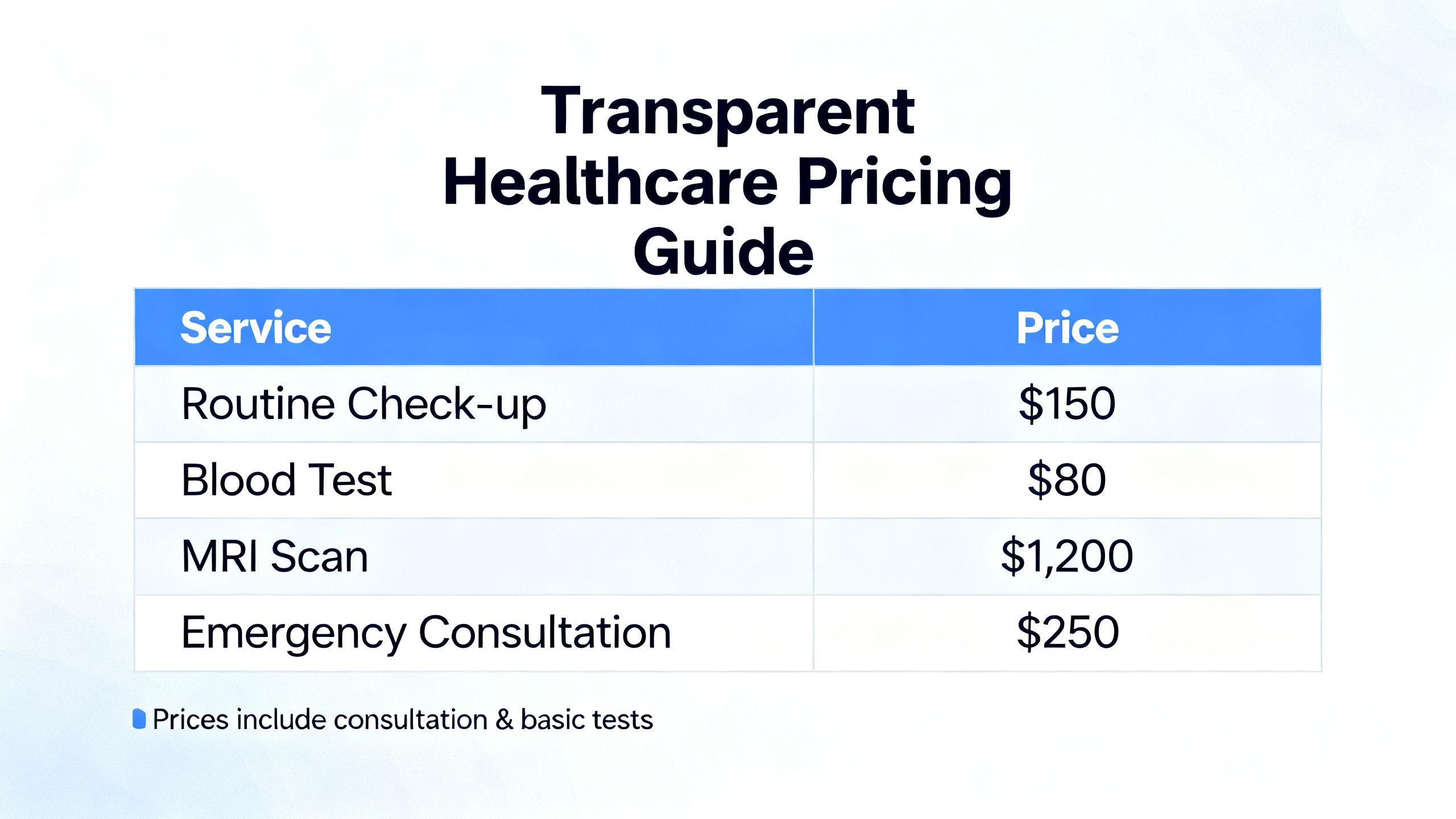
Traditional primary care costs are often dictated by your insurance plan's specific copays, deductibles, and co-insurance requirements, making the final bill unpredictable until the processing is complete. In contrast, DPC practices utilize transparent monthly memberships, providing cost certainty for routine care. Understanding your pricing and coverage options is critical for San Antonio families managing a monthly budget.
How to Choose a Primary Care Doctor: 7-Point Checklist
- Access Speed: Can you secure an appointment when you actually need one?
- Visit Length: Is there enough time to discuss multiple concerns at once?
- Communication: Can you call, text, or email your physician directly?
- Board Certification: Is your doctor board-certified in their specialty?
- Patient Reviews: Look for testimonials regarding the overall care experience.
- Pricing Transparency: Are the costs straightforward and easy to define?
- Location: Is the clinic convenient for your daily commute or neighborhood?
Consult the official FAQs for more insights on what to look for in a local San Antonio practice.
Why San Antonio Patients Choose Texas DPC
Texas DPC offers a modern, membership-based approach led by Dr. Manuel Vogt, a board-certified family medicine physician and DPC Alliance member. With over 125 5.0-star Google reviews, the practice is defined by unhurried, longer visits, same/next-day scheduling, and direct communication access. Located at 242 W Sunset Rd Ste 102, San Antonio, TX 78209, we provide personal care, transparent pricing, and wholesale-cost labs. While our membership requires a recurring fee, we also partner with organizations through our programs for employers. We are also excited to announce a new location coming soon to Helotes. To learn how we can support your unique health journey, please contact our office today.

FAQ: Primary Care in San Antonio
Can I get a same-day primary care appointment in San Antonio?
Yes, some clinics, especially those modeled after DPC, prioritize same-day or next-day availability for their members to ensure timely care. Traditional models may struggle with this due to higher patient panel sizes, so verify this capability before signing up; check our FAQs for more details.
Family medicine vs. internal medicine — what's the difference?
Family medicine encompasses care for all age groups, whereas internal medicine focuses specifically on adult health needs. Both are excellent choices for primary care, and you can learn more about the specific focus of our clinic to see which fits your family better.
Do I need insurance to see a primary care doctor?
While traditional clinics require insurance, self-pay and DPC models often operate independently of insurance for primary services. Readers can review our FAQ section to understand how different practices handle insurance versus membership billing.
How much does direct primary care cost in San Antonio?
DPC costs are typically handled via flat monthly subscriptions rather than individual copays per visit. For up-to-date information on our membership rates, please visit our pricing page.
This guide is for informational purposes only and does not constitute medical advice.